Akusoli Insoles Review: Do They Really Work For Foot Pain?
What Akusoli Insoles Actually Are
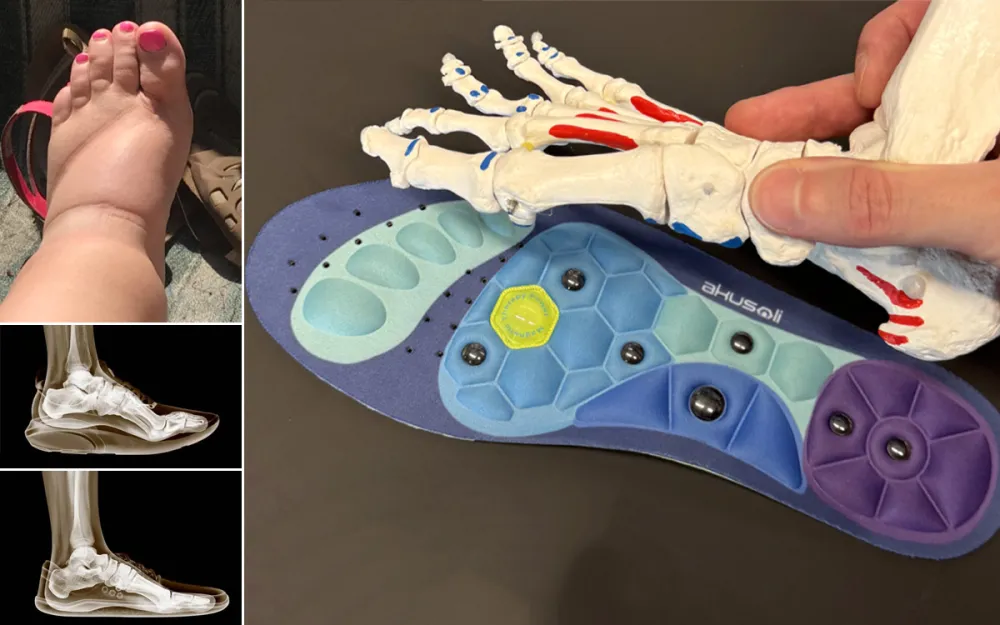
Akusoli is a trim-to-fit shoe insole aimed at people with chronic or recurring foot pain. Here's the short version before the details: it's a cushioned orthotic-style insole that combines arch support, shock-absorbing padding and small embedded magnets in a lightweight design you cut to match your own foot and shoe. According to the manufacturer's product information, the insoles come in multiple sizes and are made to be trimmed, so you can dial in the fit for the specific footwear you'll wear them in.
That "cut to fit" detail matters more than it sounds. One of the most common frustrations with off-the-shelf insoles is that they fit the box but not your shoe. The company's official information positions Akusoli as the closest thing to a custom orthopedic fit without the custom price, and it includes sizing instructions so trimming stays a low-effort, hard-to-mess-up process. The manufacturer also states the insoles carry an antibacterial nanoparticle coating intended to slow the growth of odor-causing bacteria, a genuinely useful feature for anyone whose feet live inside work boots or trainers all day.
To be clear about entities: Akusoli is the product and brand, the category is aftermarket cushioning insoles, and its natural competitors are conventional orthotics and other gel or foam insole brands. Where traditional rigid orthotics are heavy and need a long break-in, the manufacturer describes Akusoli as lightweight with only a day or two of adjustment, which is one of the more believable selling points here.

How The Magnetic Acupressure Design Works
The headline mechanism is magnetic acupressure, and it's worth separating what's a design principle from what's a proven medical result. According to the manufacturer, Akusoli uses two ideas at once: embedded magnets applying magnetic-field principles that have long been associated in folk and alternative practice with joint and arthritis discomfort, and raised acupressure zones that press into the sole of the foot to massage it as you walk.
On the acupressure side, the logic is straightforward and doesn't require believing anything exotic: textured contact points stimulate the underside of the foot the way a reflexology mat does, which can feel relieving and stimulating during long periods of standing. The company's information also frames the design around improved posture and alignment, the idea that supporting the foot correctly influences the ankles, knees, hips and spine up the chain. That alignment argument is standard footwear-industry reasoning and is the same case any good arch-support insole makes.
The magnet claims are where we'd pump the brakes. Magnetic therapy for pain is popular but not settled science, and Akusoli's own supporting evidence is drawn from user reviews and traditional principles rather than clinical proof. So read it honestly: the magnets are a feature the brand builds its story around, not a demonstrated treatment. The good news is that you don't have to buy the magnet theory for the insole to earn its keep, because the cushioning, arch support and shock absorption do real, unglamorous work on their own. The manufacturer notes the padding is placed to improve shock absorption without sacrificing stability, which is exactly what you want from every step and every staircase.
What Akusoli Feels Like Day To Day
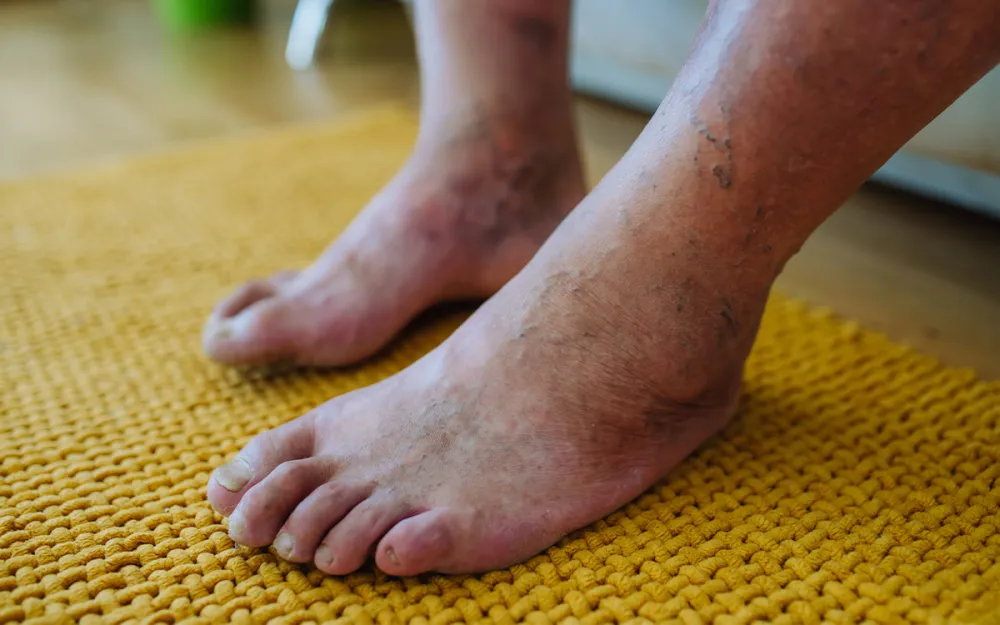
Here's the part that actually changes your routine. The clearest reported benefit isn't a lab metric, it's the end of a shift feeling less brutal. According to customer reviews cited by the manufacturer, healthcare workers are among the biggest fans, with nurses saying that even 12-hour shifts become more bearable when foot pain stops dominating the day. That's the use case Akusoli fits best: people who can't sit down, warehouse staff, retail workers, cooks, nurses, anyone logging serious miles on hard floors.
For people dealing with plantar fasciitis and neuropathy, two of the most common causes of persistent foot pain, users report meaningful relief that they attribute to the better arch support and the massaging texture of the insole. We'd frame that carefully: these are self-reported customer experiences, not medical outcomes, and an insole is a comfort and support tool rather than a treatment for a diagnosed condition. If you have a serious foot problem, this is a "talk to your clinician too" situation, not an "instead of" one.
Athletes and weekend movers get a simpler pitch. Because the padding targets shock absorption and encourages steadier alignment, the manufacturer positions Akusoli as a way to soften the small, repeated impact that walking and climbing put on your feet, knees and hips. You don't need to be running marathons to feel that, and it lines up with how any well-cushioned insole behaves. Realistically, expect a short adjustment window, the company says a day or two, as your feet get used to the new support before it settles into "I forgot they were in there."
Are Akusoli Insoles Legit, Or Too Good To Be True?
Direct answer: Akusoli is a real, buyable product that many customers report being happy with, but the marketing oversells the science, so buy it for the comfort, not for a cure. That's the honest middle ground between the glowing testimonials and the reflex to call anything with magnets a gimmick.
The strongest reason for skepticism is the same one we flagged above. The brand leans on user reviews and long-standing "holistic principles" rather than independent clinical evidence, and phrases like helping with arthritis or moving stagnant blood are traditional claims, not proven medical mechanisms. When a product page stacks testimonials and terms like magnetic field therapy, it's fair to assume the results are being presented at their best. Treat any promise that sounds like a guaranteed fix for a chronic condition as marketing.
Now the other side, because fair is fair. Nothing about the physical product is far-fetched: trim-to-fit sizing, arch support, cushioned shock absorption and an antibacterial coating are all normal, sensible insole features, and the manufacturer's claim that they're lighter and quicker to adjust to than rigid orthotics is reasonable. The volume of positive customer feedback suggests plenty of people feel genuine relief, even if some of that is the ordinary benefit of finally putting real support under a sore foot. So "does it work?" splits in two: as a magnetic cure, unproven; as a comfortable, supportive insole for aching feet, it does the job most buyers are actually hoping for. The people most likely to be disappointed are those expecting the magnets alone to erase a medical condition.
Price And Where To Buy Akusoli
Straight answer on cost: Akusoli is priced as an affordable, everyday alternative to custom orthotics rather than a premium medical device, and it's currently being sold at a discount. The company's official information advertises a warehouse clearance promotion of 70% off while stock lasts, which is the real reason there's any urgency here, not a fake countdown. Because that sale price moves and depends on how many pairs you buy, the accurate move is to check the current figure on the official offer rather than trust any number floating around elsewhere.
One compliance-style note that's genuinely in your interest: buy Akusoli only through the official offer. That's where the current clearance pricing, the multi-pair discounts and any guarantee or shipping terms actually apply, and it's the only source we point you to. The value case is simplest when you buy more than one pair, since most people want insoles in more than one pair of shoes, and the trim-to-fit design means a single order can cover work boots, sneakers and everyday shoes. If the discount is live when you read this, that's the moment the math works best.
Bottom line on value: for the price of a nice dinner, a lightweight, customizable, cushioned insole that many users credit with easing long days on their feet is a low-risk try, especially with a sale in play. Just go in with the right expectation, you're buying comfort and support, and treating the magnetic angle as a bonus.
What we like
- Trim-to-fit sizing gets close to a custom fit for whatever shoe you drop them in
- Lightweight with only a short break-in, unlike heavy rigid orthotics
- Cushioning and shock absorption do real work regardless of the magnet claims
- Antibacterial coating tackles odor, a practical win for all-day wear
- Strong volume of positive customer feedback, especially from people on their feet 12 hours a day
Worth knowing
- The magnetic-therapy claims lean on testimonials rather than clinical proof, so buy it for the support and treat the magnets as a bonus
- It's a comfort and support insole, not a medical treatment, so anyone with a serious diagnosed condition should pair it with professional care
- There's a day or two of adjustment, but that's minor next to the weeks rigid orthotics can demand
- Best value comes from buying multiple pairs, which is really just because most of us want them in more than one pair of shoes
Frequently Asked Questions
Do Akusoli insoles really work for foot pain?
For everyday comfort and support, yes for most users. Customer reviews cited by the manufacturer report real relief for tired, aching feet and conditions like plantar fasciitis, which they credit to the arch support and cushioning. The magnetic acupressure element is unproven medically, so the honest expectation is a genuinely more comfortable, better-supported foot rather than a cure.
Are Akusoli insoles worth it?
For people who spend long hours standing or walking, they're a low-risk yes, especially during the current sale. You're getting a lightweight, trim-to-fit, cushioned insole for well under the cost of custom orthotics. Buy it for the comfort and support and you're likely to feel you got your money's worth; buy it expecting the magnets to erase a medical condition and you may be let down.
Is Akusoli a scam or legit?
It's a legitimate, real product with a large amount of positive customer feedback. The fair criticism isn't that it's fake, it's that the marketing oversells the science by leaning on testimonials and traditional principles instead of clinical evidence. Judge it as a comfort insole, where it delivers, rather than as a proven therapy.
Will Akusoli fit my shoes?
Most likely, because it's designed to be trimmed. According to the manufacturer, the insoles come in multiple sizes and include instructions so you can cut them to match both your foot and the specific shoe, from work boots to sneakers. That trim-to-fit design is one of its main selling points over rigid, fixed-size orthotics.
How long until Akusoli feels comfortable?
The manufacturer says most people need only a day or two to adjust, which is far shorter than the weeks conventional orthotics can require. After that short window, the support tends to fade into the background and simply feel like a more comfortable step.
Where should I buy Akusoli?
Only through the official offer. That's where the current clearance discount, multi-pair pricing and any guarantee or shipping terms actually apply, and it's the single source we recommend. Prices shift with the promotion, so check the live figure there rather than relying on numbers quoted elsewhere.